Play quick. Think deep.

Pulsecade distills design into bite-sized games and challenges. Small rules, big decisions. Tiny sessions fit real lives.

How it works
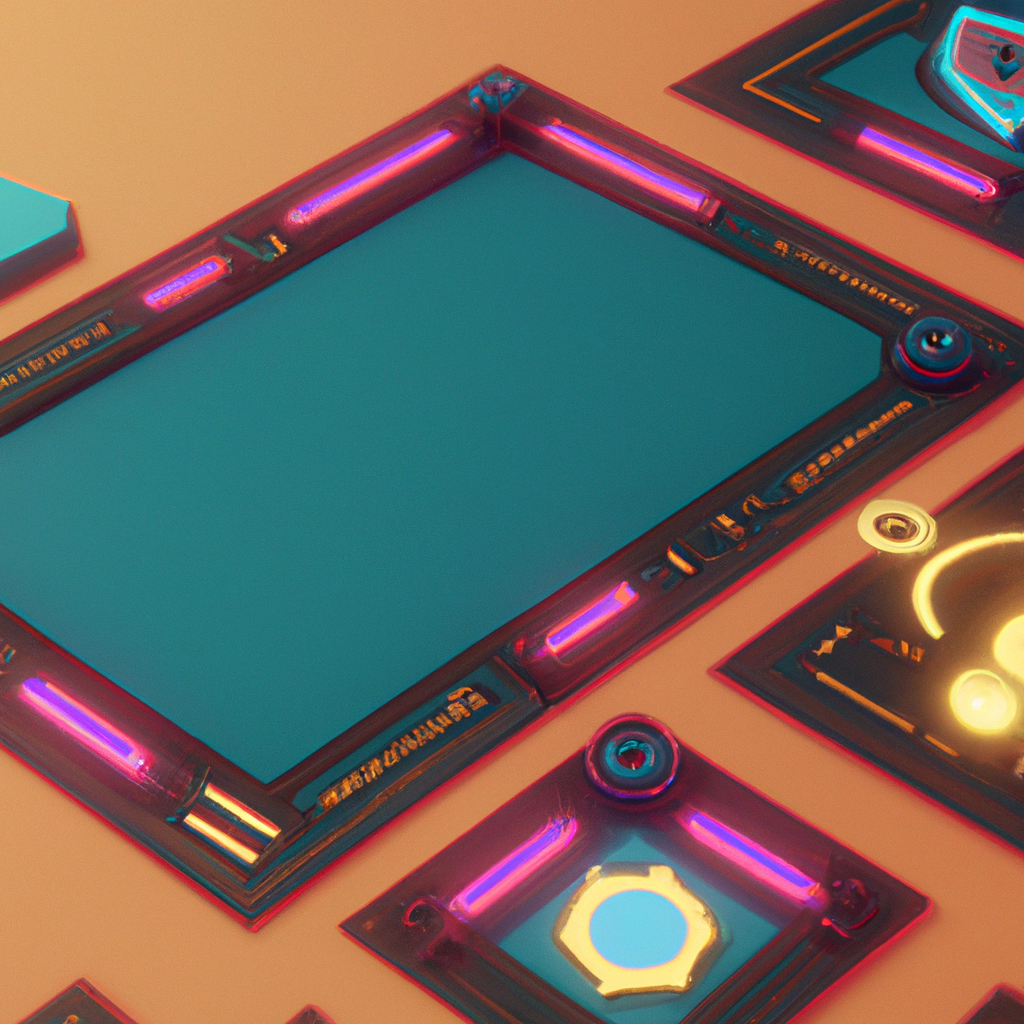
Pulsecade hero: neon arcade board with asymmetric map and HUD overlays

Features that reward curiosity

Engineered sessions with emergent choices, tactile HUD badges, and modular levels you can remix.

Arcade Loops

Three-minute rounds with escalating options: risk, rewind, or reroute.

Asymmetric Maps

Every match tilts power and pacing to create new lines of play.

HUD Designer Notes

Contextual tips appear as small badges rather than overlays, so study is optional.

How one session unfolds

  1. Briefing. A single page of stakes and a short choice.
  2. Play. Fast rounds with durable consequences and reversible experiments.
  3. Aftermath. Tidy feedback plus a compact designer note that reveals rationale.
Modes

Solo puzzles, co-op puzzles, and sprint leaderboards. Sessions support 5–20 minutes of meaningful play.

Design story

Pulsecade began as a studio notebook: diagrams, counters, and tiny rulebooks. Each release is a charged experiment where the interface is honest and the rules teach. Community edits feed the next cycle.

We lean into print aesthetics, asymmetric maps, and kinetic headings to make play feel physical and legible. The result is a living catalog of concise games you can remix.
Ready to prototype a match?

Subscribe for seasonal drops and join community challenges that turn rules into rituals.

See Gallery

Voices from playtests

"Short rounds that feel large. The HUD tips are intelligent without being prescriptive — a rare balance."

— L. Arman, designer

"Our group swapped roles after two matches and discovered a whole new meta. That sort of emergent joy is what keeps us returning."

— S. Nair, player

Contact the studio

Questions, demo requests, or challenge submissions — send a short note.

Message sent